
Cyclothymia
Cyclothymia is a mild form of bipolar disorder. It is characterized by mood fluctuations that shift between depressive and hypomanic phases. Cyclothymics do not experience the extremes of major depression or manic episodes.
The depressive or hypomanic symptoms of cyclothymia may last for a few days to several weeks at a time, with brief intervals of normal mood in between. Personality changes are often evident to family and friends. Individuals who have a stable mood for longer than two months at a time are not likely cyclothymic. Symptoms may be mimicked by substance abuse, borderline personality disorder, or other mood disorder. A family history of depressive or bipolar disorders increases the risk.
Symptoms of Cyclothymia
Hypomanic Phase
- Excessive confidence and self-esteem
- Reduced ability to concentrate, easily distracted
- Sleep difficulties, excessive energy
- Heightened irritability
- Reduced inhibitions, may make foolish decisions
- Hypomania lasts between several days and several weeks
Depressive Phase
- Feelings of inadequacy, low self-confidence
- Difficulty falling asleep, unrestful sleep
- Fatigue, lack of energy
- Negative thinking, feelings of guilt and sadness
- Loss of interest in formerly enjoyable activities
- Depression lasting between several days and several weeks
The cycling between phases must be present for at least two years for a diagnosis (one year for teenagers). Work and family life are often negatively affected by the shifting moods.
Differences by Gender and Age
Cyclothymia, like the related bipolar disorder, affects men and women in roughly equal numbers. The disorder typically begins in the teenage or young adult years. Onset later in life is rare, and may be brought on by substance abuse or certain medications. Cyclothymia may progress to bipolar, though treatment may prevent this.
Sponsored Links
Books Covering Cyclothymic Disorder
-
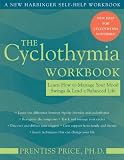 Cyclothymia Workbook: Manage Your Mood Swings & Lead A Balanced Life
"Addresses mood swings from several dimensions, and offers several approaches to moderating them, with advice on how to build on and combine the approaches."
Cyclothymia Workbook: Manage Your Mood Swings & Lead A Balanced Life
"Addresses mood swings from several dimensions, and offers several approaches to moderating them, with advice on how to build on and combine the approaches."
-
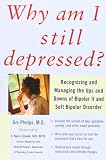 Why Am I Still Depressed? Recognizing and Managing the Ups and Downs of Bipolar II and Soft Bipolar Disorder
"Helped me understand my diagnosis and gave me concrete things to do to help manage my condition. Most importantly, however, I got hope out of reading this book."
Why Am I Still Depressed? Recognizing and Managing the Ups and Downs of Bipolar II and Soft Bipolar Disorder
"Helped me understand my diagnosis and gave me concrete things to do to help manage my condition. Most importantly, however, I got hope out of reading this book."
-
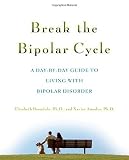 Break the Bipolar Cycle: A Day-by-Day Guide to Living with Bipolar Disorder
"Gave me great hope and comfort. My hope came in realizing that there would one day be a time when this disorder didn't color my every day and I would just live life."
Break the Bipolar Cycle: A Day-by-Day Guide to Living with Bipolar Disorder
"Gave me great hope and comfort. My hope came in realizing that there would one day be a time when this disorder didn't color my every day and I would just live life."
Cyclothymia Resource Links
- Wikipedia entry on Cyclothymia
- Cyclothymia Discussion
- Cyclothymia - Features and Symptoms
- Take The Depressed Test