
Postpartum Depression
Mild depressive symptoms are common among women following the birth of a child. However if these feelings are severe, the woman may be suffering from postpartum depression. Postpartum depression is a form of major depression experienced by an estimated one in eight mothers. Effective treatments exist for this condition.
Postpartum depression ranges in severity from mild to severe. Severe cases may be diagnosed as postpartum psychosis, a rare disorder characterized by violent thoughts, delusions, and bizarre thinking. This illness became more well-known as the media followed the Andrea Yates case.
Symptoms of Postpartum Depression
- Fatigue, irregular sleep
- Feelings of low self-worth, guilt, or depression
- Spontaneous crying
- Problems with memory and concentration
- Thoughts of violence
- Lack of interest in the new child
- Delusions or hallucinations
- Symptoms appear one week to six months following a birth
Causes of Postpartum Depression
Specific causes are not known, however certain factors are well-correlated with postpartum. The following factors may contribute: exhaustion from childcare, altered relationship within the family, loss of independence, family history of depressive disorders, hormonal disturbances following pregnancy, low income and financial stress or stress caused by work vs. home issues, and poor relationship with the child's father. Financially stable women in healthy marriages are affected least often.
Sponsored Links
Books on Postpartum Depression
-
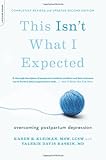 This Isn't What I Expected: Overcoming Postpartum Depression [2nd edition]
"A thorough discussion of psychological and physiological factors involved in PPD, with advice on what to do to overcome it."
This Isn't What I Expected: Overcoming Postpartum Depression [2nd edition]
"A thorough discussion of psychological and physiological factors involved in PPD, with advice on what to do to overcome it."
-
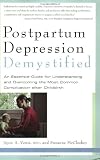 Postpartum Depression Demystified: An Essential Guide for Understanding and Overcoming the Most Common Complication after Childbirth
"Truly demystifies postpartum depression. The authors describe the warning signs and provide coping mechanisms to deal with PPD."
Postpartum Depression Demystified: An Essential Guide for Understanding and Overcoming the Most Common Complication after Childbirth
"Truly demystifies postpartum depression. The authors describe the warning signs and provide coping mechanisms to deal with PPD."
-
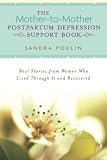 The Mother-to-Mother Postpartum Depression Support Book
"This book has been essential to my recovery from postpartum depression (PPD)."
The Mother-to-Mother Postpartum Depression Support Book
"This book has been essential to my recovery from postpartum depression (PPD)."
-
When Postpartum Packs a Punch: Practical Solutions for living with Postpartum Depression "An excellent compilation of story, personal experience and research. Cowan defines each type of mood disorder: post partum depression, post partum anxiety, posttraumatic stress disorder, obsessive-compulsive disorder, post partum psychosis."
-
 The Postpartum Husband: Practical Solutions for living with Postpartum Depression
"Easy to read, and understand. Adresses both what the wife and also the husband are feeling during this misunderstood illness."
The Postpartum Husband: Practical Solutions for living with Postpartum Depression
"Easy to read, and understand. Adresses both what the wife and also the husband are feeling during this misunderstood illness."
Postpartum Resource Links
- Postpartum Depression on MedlinePlus
- Postpartum on the Mayo Clinic
- Postpartum Wikipedia entry
- Postpartum Article by R M Nonacs, MD, PhD
- Postpartum on WellMother
- Online Community Site
- Take Our Depression Test